Children's Playground (Afacan Series) · SS-012296
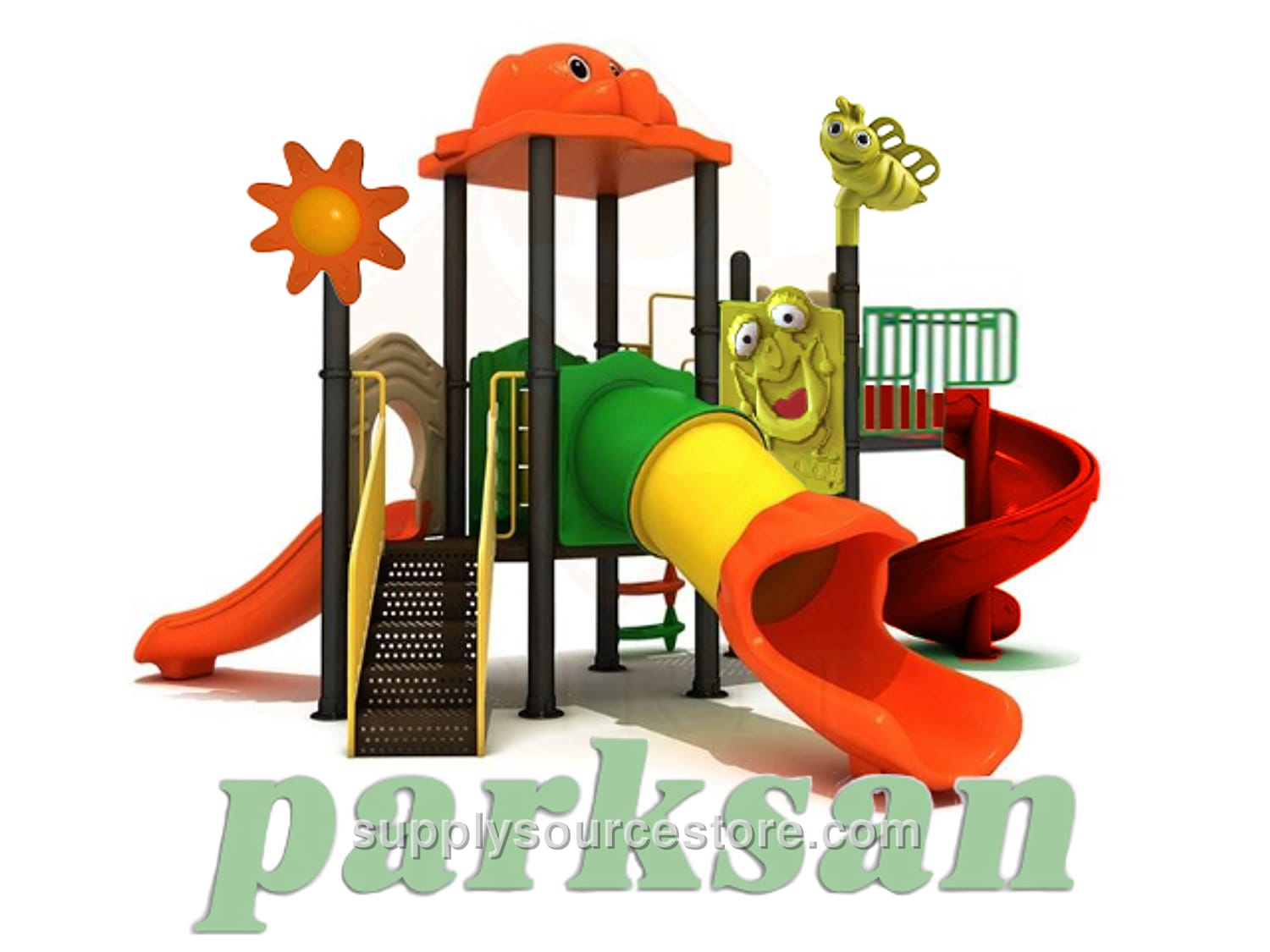
Price on request
SKU: SS-012296
Linear low‑density polyethylene (LLDPE) is a thermoplastic used in various products. It is semi‑permeable, pliable, and highly durable. Thanks to its low cost and high resistance, it is widely favored in industry. Based on density and chemical properties, polyethylene is classified into several categories. Mechanical properties depend on molecular weight, crystalline structure, and branching type. Although properties vary, the general characteristics include good resistance to outdoor conditions and moisture, flexibility, low mechanical strength, and excellent chemical resistance. Polyethylene products are used to manufacture slides, ladders, railings, barriers, accessories, roofs, and similar items. To prevent color fading, masterbatch pigments used for coloring must have a light‑fastness rating of 6 or higher. Product wall thickness must be at least 6 mm (0.2 in) for areas exposed to pressure or friction, and at least 4 mm (0.2 in) for barriers and shading components not subjected to pressure. Material distribution must be uniform, providing consistent thickness. Wall‑thickness and dimensional tolerances are ±5 %. Carrier construction will be fabricated from cold‑formed steel tubes with a circular cross‑section, conforming to TS EN 10219‑2, TS‑6476, and DIN 2394 standards. Tubes have a minimum diameter of 114 mm (4.5 in) and a minimum wall thickness of 2 mm (0.1 in), welded by high‑frequency welding within the specified tolerances, dimensions, and section ranges. After sandblasting, the tubes are coated with a polyester‑based electrostatic powder coat applied in a furnace. All metal components are sandblasted to remove oil, dirt, and rust, creating a porous surface for better paint adhesion. Fine steel beads are sprayed with pressurized air to open pores and clean the metal surface. After fabrication, the components are coated with a polyester‑based electrostatic paint and baked at 200–220 °C for 20 minutes. The parts then undergo a 10‑minute cleaning bath at 70 °C with 5 % degreaser, followed by a 15‑minute dip in a 1 % iron bath at 50 °C. After rinsing and drying, the components receive a final powder‑coat cured at 180–200 °C for 20–30 minutes. Weld areas are painted solidly to prevent corrosion.